Q. Who created the first photograph
OK, now it's
your turn:
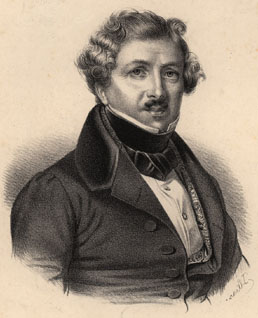
Q1. Who is Louis Daguerre and why
is he so special? How did he become independently wealthy?
A1. He is the
creator and father of photography. He created the first camera and negotiated a
contract to sell the rights to his invention to France which earned him a life
time income.
Q2. What types of photos did
people take when photography was first invented? What were some of the
difficulties they had to endure?
A2. The first
photos were portraits in which the subject would sit in a seat with a neck
brace that kept them from moving. This way the picture wouldn’t turn out
blurry.
Q3. Name three different types of
early photographs. What did they look like? Why were they called what they
were called?
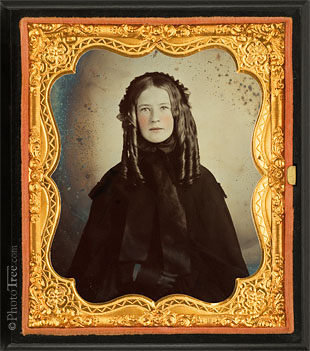
A3. Daguerreotypes
are one type of early photographs. They were a Daguerre, and always had a frame
because of how fragile they were. Daguerroeotypes were named after Daguerre
because he came up with the idea. Ambrotypes are glass positive, that looked
negative, backed with black material, which was cheaper than daguerreotypes.
They were named after J Ambrose because he created the technique. The last type
of early photographs was the tintype. These substitute the iron plate in the
ambrose process with a piece of glass, the edges were frequently trimmed and
they were both framed in a similar way. They were called tintypes because they
included tin in the process of making them.
--Ambrotype
example
Q4. What is a Kodak Brownie.
How did it work? What made it so popular? Can you buy one
today?
A4. A Kodak
Brownie was the first portable camera and it was extremely cheap. It took a
small hole with a lens to let in light and when you take a picture it moves a
blocking board protecting the negative paper, which is then exposed to the
light capturing the image. It is available on ebay for $18.95.
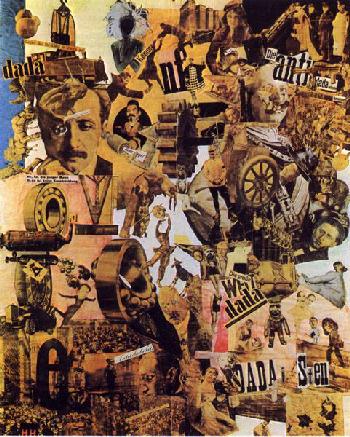
Q5. Who were the Dadaists?
What was their photographic work like? Why are they considered
"important" in the history of photography?
A5. An anti-war art movement. Their photography looks similar to
pop-culture, they are important to photography because their optimism led to
new movements in other art.